


McMillin Legacy

1960s
In 1960, Corky and Vonnie McMillin began their construction business – working out of their home -- doing business and home remodels in San Diego’s South Bay.
Their first ground-up construction was Greaser’s Garage in National City, which was followed by a liquor store, an ice cream parlor, apartment buildings, auto dealerships and dozens of custom homes.
A small office space behind Greaser’s Garage served as the company’s first headquarters outside Corky and Vonnie’s home.
1968
Corky formed MLM Development and began work on his first large residential development, Bonita Glen, comprised of 168 homes.
Bonita Glen was a joint venture with Home Federal Savings and Loan. Corky’s relationship with Home Fed would later span decades and hundreds of homes.
Corky also founded a separate grading company, Co Mac, as an additional revenue source.
1970s
McMillin Realty was founded in 1972 to help McMillin customers sell their current homes.
Construction started on MLM’s second large-scale project, Bonita Highlands, in 1973. Bonita Highlands encompassed 624 homes.
In 1976, McMillin began building a 321-home community in Scripps Ranch in a joint venture with Great American Federal. This was the company’s first venture outside of San Diego’s South County.
Throughout the decade McMillin built 1,987 single-family homes and 464 condos and townhomes in a variety of neighborhoods throughout San Diego County.
By the end of the decade, McMillin built its third new company headquarters building on Hoover Avenue in National City to accommodate its growing staff.
1980s
McMillin continued to build neighborhoods in Scripps Ranch, eventually building 1,218 single-family homes and 120 condominium homes in 15 neighborhoods as well as a community recreation center and 2 retail centers in the master-planned Villages of Scripps Ranch North community.
A new corporate entity, McMillin Communities expanded this model and began developing complete communities. Bonita Long Canyon, comprised of 747 homes in 9 neighborhoods, was its first complete master plan. The project included a church, a community park, and a daycare center.
In addition, McMillin began work as the master-plan developer of the 1,600-acre, 4,000-home community of Rancho del Rey.
The McMillin organization added several companies to its portfolio in the 1980s including Laurie Ann Interiors, a model-home interior design and flooring firm, as well as Westar Escrow and McMillin Mortgage, which bolstered the company’s real estate services.
Diversified Builder Services was formed as the general contractor for McMillin Homes.
Additionally, McMillin launched Diversified Turnkey Construction Co. to service the government contract, military and education markets. DTCC won 21 contracts worth more than $230 million over the next 13 years and built 673 student and apartment dormitories on three college campuses, 2,002 residences for seven military bases, the Center for Magnetic Molecular Research at UCSD and an entire retirement facility for the United States Air Force.
1990s
In the 1990s, McMillin branded its 5 distinct lines of business as McMillin Land Development, McMillin Homes, McMillin Commercial, McMillin Realty and McMillin Mortgage, all operating under the umbrella of The Corky McMillin Companies.
In 1990, McMillin Land Development began work on Scripps Ranch Villages, one of its largest master-planned communities to date. The 1,200-acre master plan comprised 2,750 homes, three schools, fire station, regional shopping center and 550 acres of open space including three large community parks, lighted playing fields, a recreation center and numerous botanical gardens.
After a decade of planning, McMillin also began construction on the 1,031-acre, 5,000-home community of McMillin Lomas Verdes in Otay Ranch. The master plan included 20 neighborhoods in a mix of attached and detached homes and apartments, more than 100 acres of parks and open space, three schools and the Otay Ranch Town Center.
The company also began work on the 457-acre golf course community of Temeku Hills in Temecula. Temeku Hills comprised 1,600 homes centered around a 168-acre golf course and extensive recreation facilities.
McMillin Commercial was formed in 1995 and work began on the 23-acre, 164,000-square-foot Scripps Ranch Marketplace anchored by a 56,000-square-foot Vons Super Store. Two years later, McMillin Commercial began work on the 340-acre Parkway Business Centre comprised of more than 700,000 square feet of commercial and R&D space.
1998
In 1998, McMillin secured a $35 million loan that would grow into a $162.5 million corporate bond. This capitalization enabled the continued growth of the McMillin organization into the next two decades
2000s
At the end of 1999, the city of San Diego awarded The Corky McMillin Companies the contract to transform the shuttered Naval Training Center San Diego into a mixed-use community. The project is comprised of 349 attached and detached homes, 380,000 square feet of Class A office space, 600,000 square feet of renovated retail, office and professional space in existing historic buildings, a 9-hole golf course, 2 hotels, an arts and cultural district, and a 46-acre waterfront park. Dubbed Liberty Station, the NTC redevelopment has become a national model for base redevelopment and for public/private partnership.
The company brought the master plans of Calavera Hills (589 acres, 1,100 homes), StoneBridge Estates (2,650 acres, 849 homes, 106 apartments, 1,800 acres of dedicated open space), Morgan Hill (478 acres, 1,126 homes), and Rolling Hills Ranch (1,200 acres, approx. 2,300 homes) online in this decade.
In the early 2000s, McMillin purchased the Imperial Valley and Central Valley divisions of Allen Homes as well as Kyle Carter Homes in Bakersfield. These purchases added substantial new land holdings to the company outside of San Diego and Temecula and development began immediately.
In 2004, the company purchased Gordon Hartman Homes in San Antonio, Texas, giving McMillin its first business division outside of California.
2005 was the company’s most successful year to date with 1,975 homes built and closed across all of its divisions
2010s
Planning began for the organization’s most innovative and ambitious land development projects ever. Dubbed Millenia, the mixed-use urban center on 210 acres in the center of the 23,000-acre Otay Ranch is comprised of 3,000 attached homes, 300,000 square feet of Class A office space, 3 million square feet of commercial and retail space, and 6 parks.
McMillin broke ground on Millenia in September 2013.












HERSCHEL+PEARL
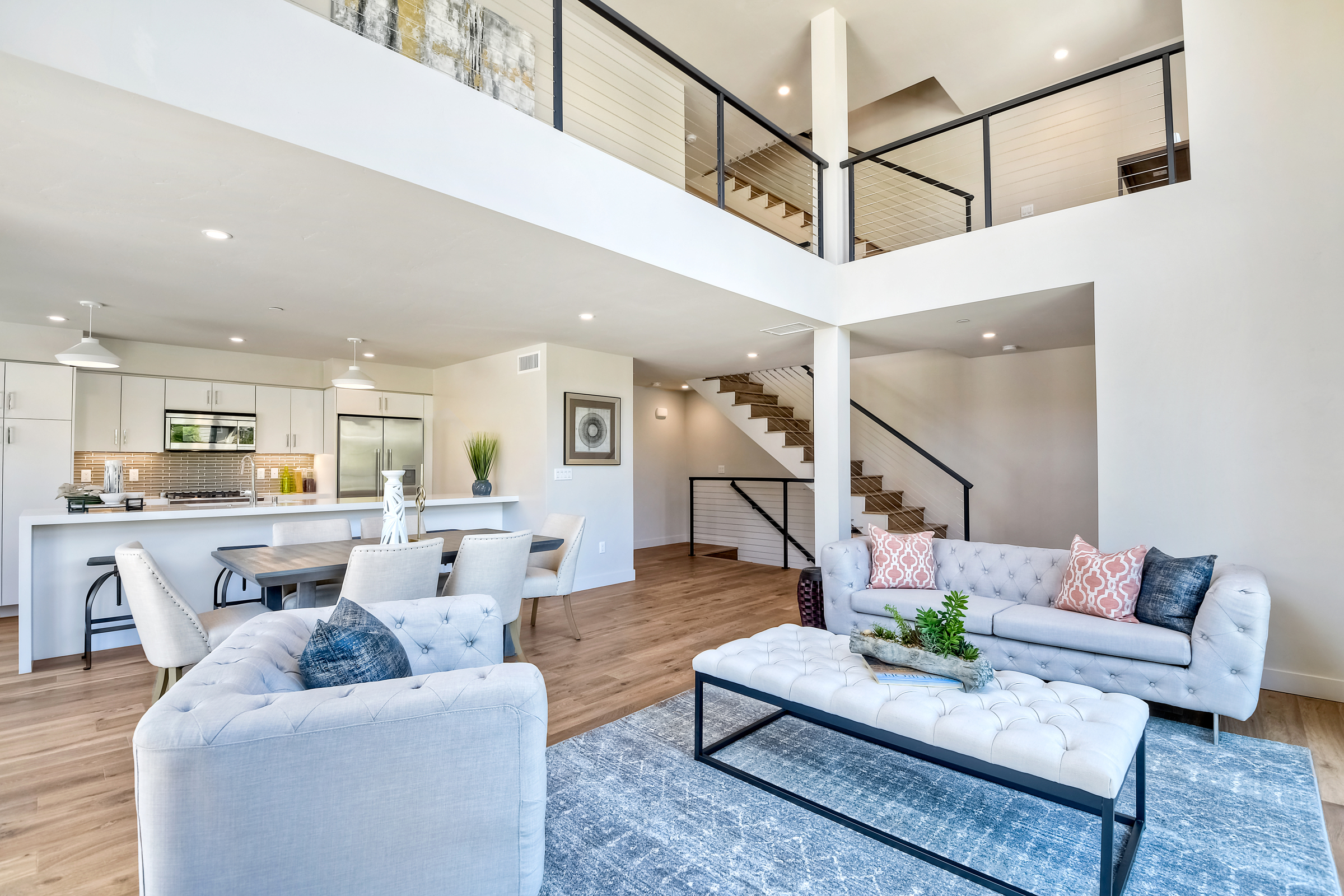
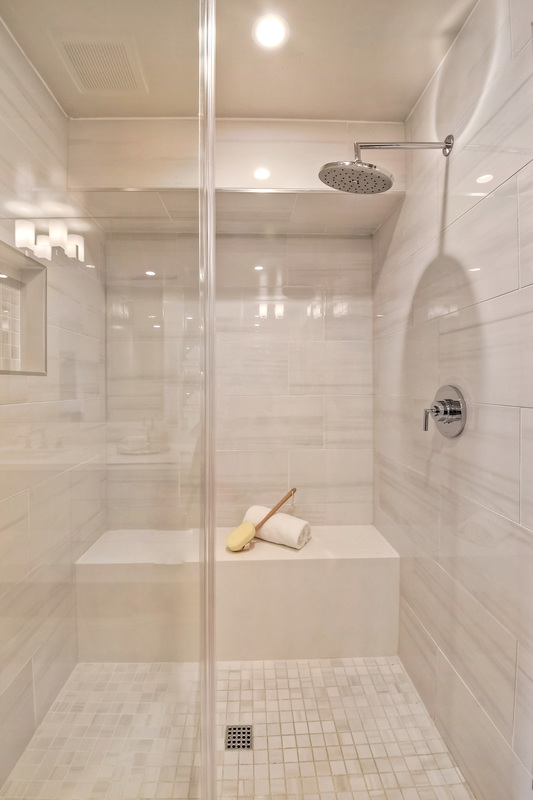
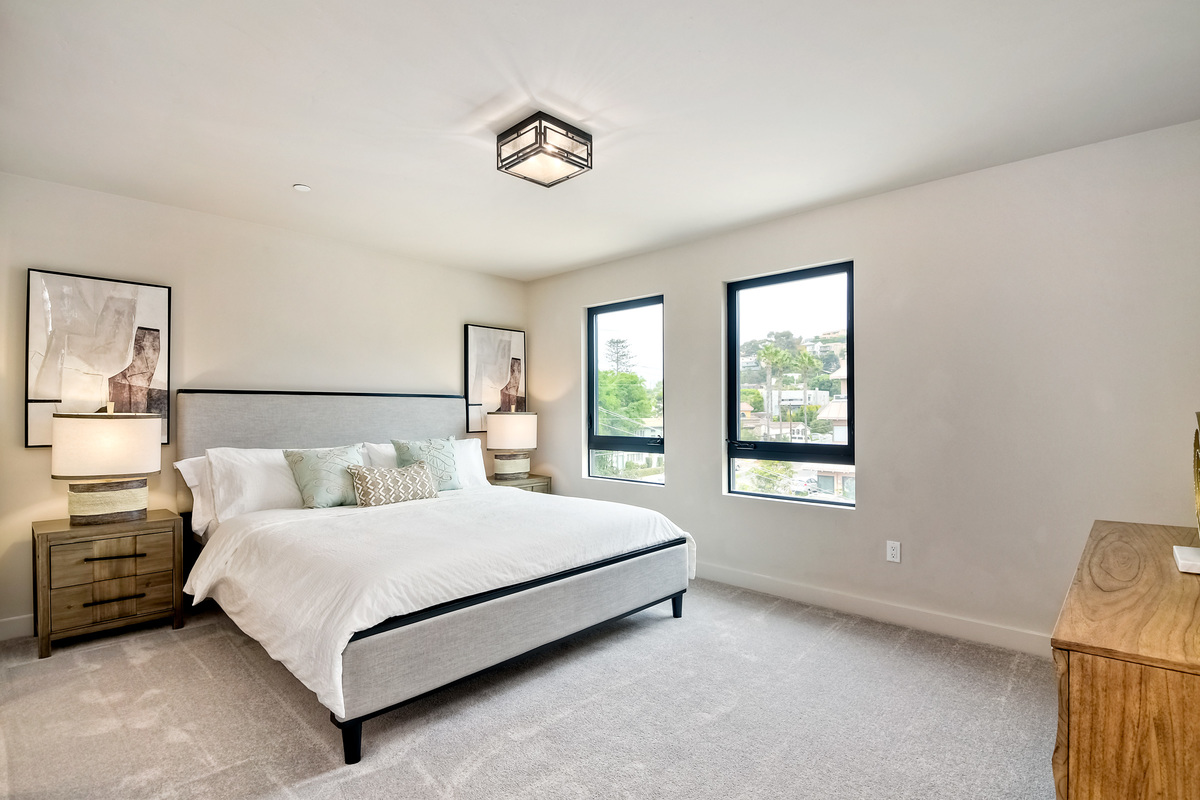
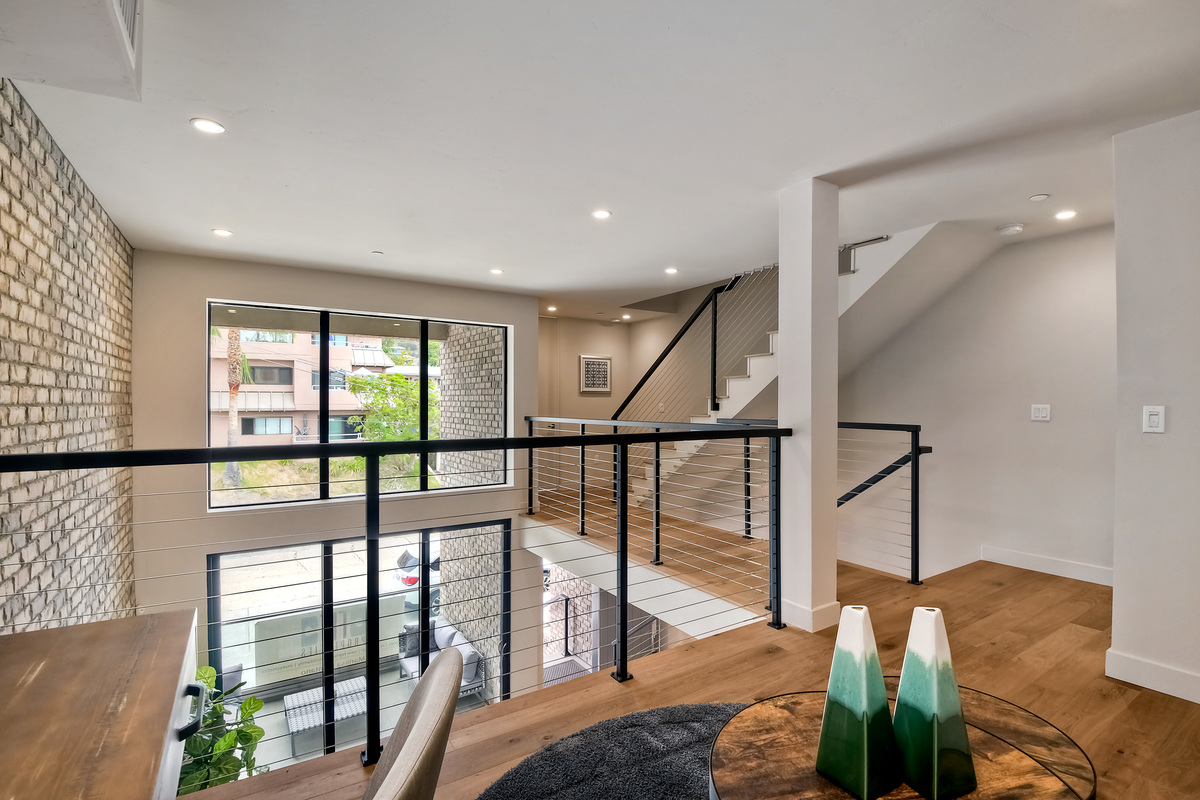
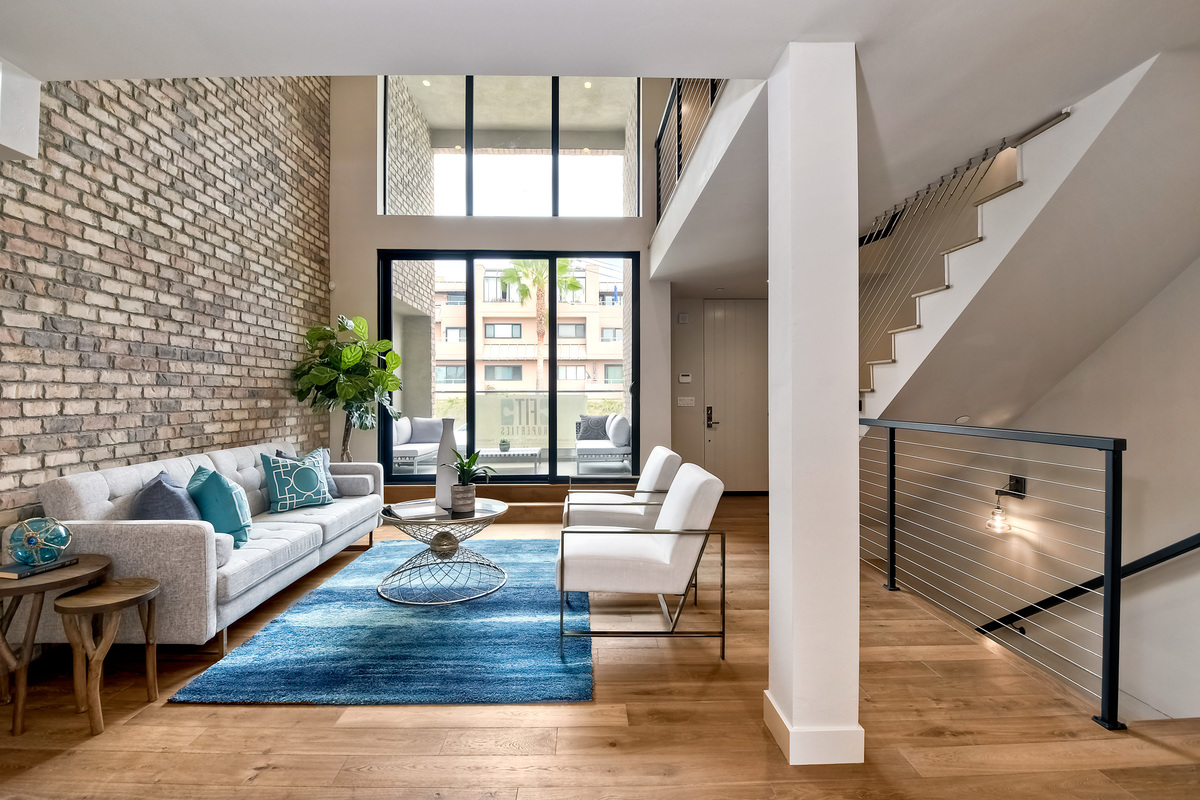
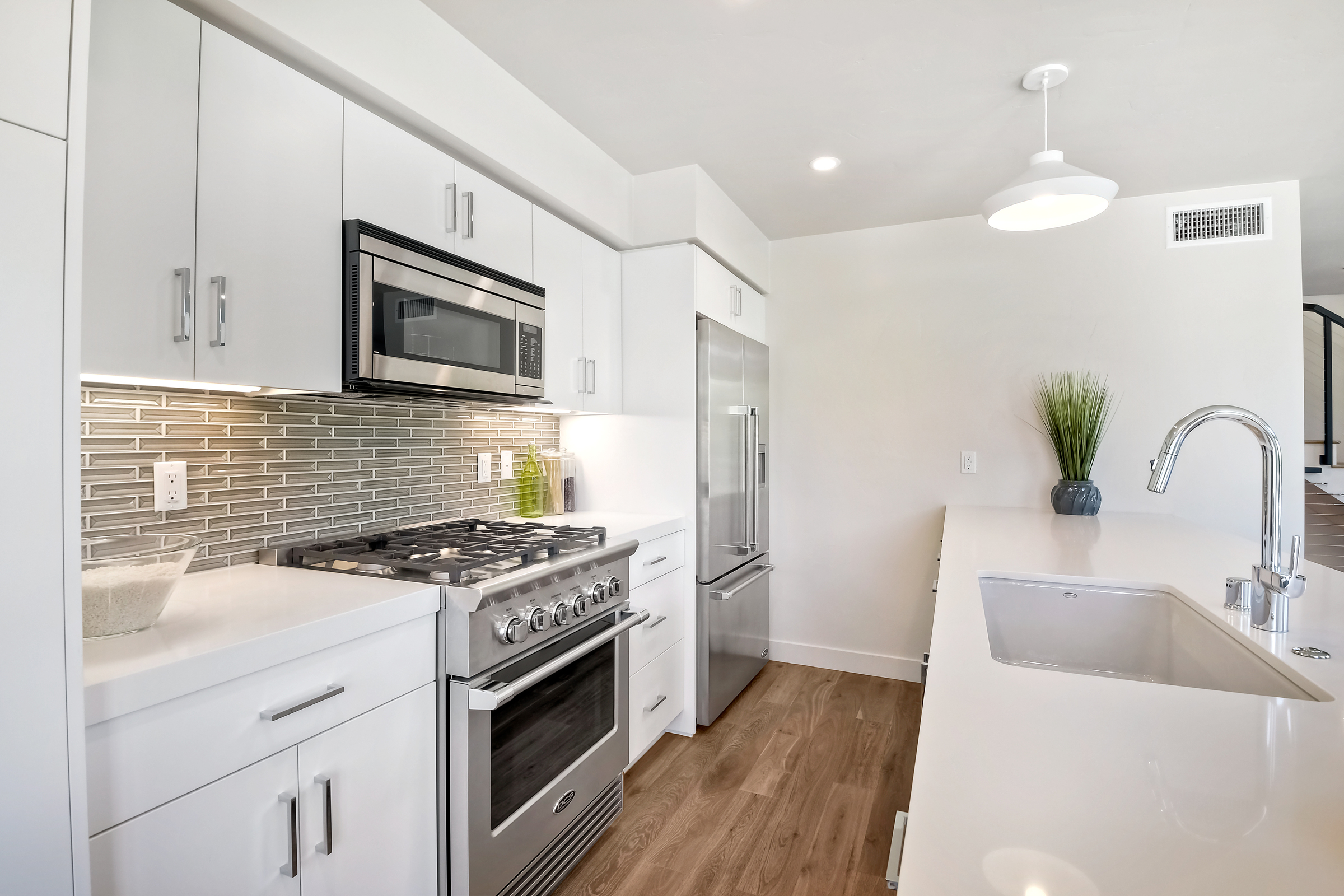
Our latest Project, Herschel + Pearl is getting the finishing touches.
This exclusive residence features 3 high-end luxury townhomes all with the upscale amenities you’ve come to expect. Plus, we’ve added a few surprises such as private elevators and oversized 2-car garages to make your transition to this sophisticated, urban
way of life, a lot more livable.
Come enjoy the scenery of downtown La Jolla, take a deep breath of the ocean air and experience all that this charming coastal town has to offer.
Don’t miss this brilliant opportunity to own a gem at Herschel + Pearl.
EL JARDIN
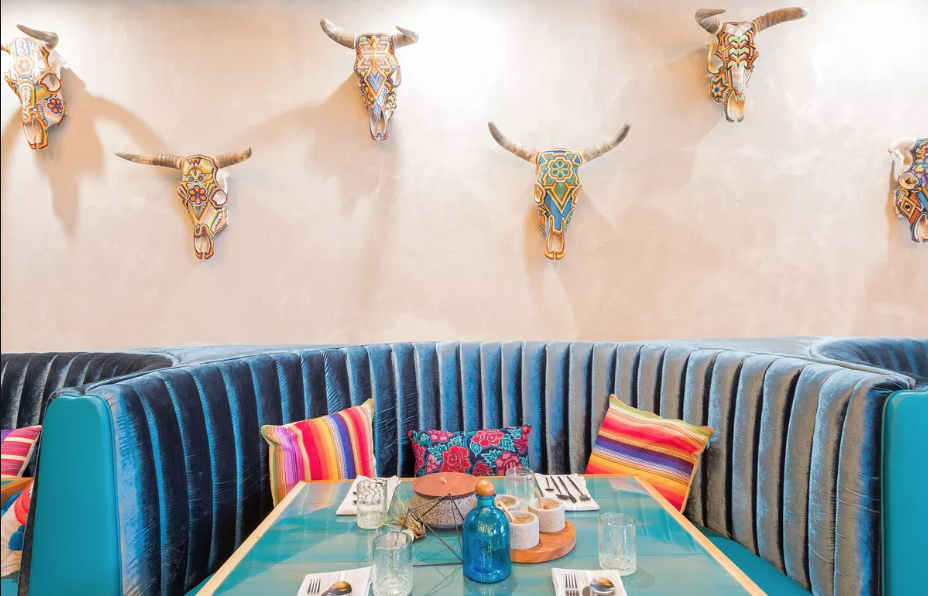
Welcome to the neighborhood El Jardin! Liberty Station's newest addition.
Opening this Friday, El Jardín is one of the country’s most anticipated restaurants and the highest stakes endeavor yet for its executive chef and guiding force, Claudette Zepeda-Wilkins. A native San Diegan who was also raised in Tijuana and Guadalajara, Zepeda-Wilkins’ culinary career began at the age of 19, first in the pastry realm and then on the savory side, which led to a high-profile position as chef de cuisine of the now-shuttered Bracero, named one of Eater’s Best New Restaurants in the nation in 2016. Partnering with Rise & Shine Restaurant Group owner Johan Engman to bring El Jardín to Liberty Station, she competed on ‘Top Chef’ and ‘Top Chef Mexico’ while traveling and cooking extensively throughout Mexico and the U.S. as she developed the restaurant’s contemporary Mexican menu.

Offroad Dynasty

Ahead of the 50th Baja 500, five-time winner Andy McMillin talks about growing up around the sport and cementing his name in the Baja record books.
Offroad racing isn't exactly a mainstream sport on a par with football and tennis. Most people grow up oblivious to races such as the Baja 1000. But not Andy McMillin. His childhood was spent watching his father and uncles compete in offroad races and by the age of three his dad, Scott McMillin, had rigged up a special carseat for him to ride along during course recces.
McMillin was hooked, and at age 14 began racing at a high level. In 2006, he won his first Baja 1000, making him the youngest to ever do so at 19 years old. He’s since won a total of five Baja 1000s – making him the joint record holder along with his uncle, Mark McMillin, and Larry Ragland. He's also one of a few drivers to win the coveted “Baja Triple Crown”, a feat accomplished by winning the Baja 1000, 500 and San Felipe 250. He is, in short, one of the greatest offroad racers of all time.
Looking ahead to the 2018 Baja 500 on May 30-3 June – the 50th edition of the race – this is what McMillin had to say about growing up around the sport and his record-breaking intentions after his 2017 Baja 500 victory.
Can you explain a bit about McMillin Racing and what it’s all about?
It’s really a family legacy and a heritage thing for us. My two cousins Dan and Luke both race their own Trophy Trucks, my whole family comes out and supports me and chases me around Baja, and it’s really a family sport for us. When I was young, a lot of dads were going to their kids' baseball games and playing football and basketball. My dad wasn’t really into sports growing up, he was into horses and offroad racing. So what I did with him instead of throwing baseballs was going and driving and riding in offroad cars. So it’s how I grew up.
You've already accomplished so much in the sport, but what are your long-term goals for racing and what would you like to achieve over the next three to five years?
My dad and I set a goal in 2009 after we won the Baja 1000 that we wanted to win five of them in the next 10 years. I’ve won four, so to hit that old goal I’ll need to win one more by 2019. I think what keeps me motivated and what keeps me pushing is just wanting to be the best at what I do and wanting to be the best that has ever done it. I want to win every race I enter; I’m just a super-competitive person. Even playing my grandma in a game of cards, all I want to do is beat her [laughs], as sad as that is to say. So when it comes to racing, you know, it’s easy to be competitive. When it’s something that you’re naturally gifted and talented at and you know your skill level and what your potential is, you hold yourself to a really high standard.
The over-arching goal is to win 10 Baja 1000s and put my name down in the record books as one of the best to ever do it. I just want to win every race that I enter and I’m on a pretty good platform now to be competitive and put myself in a place to win every race. So I just want to keep doing that and if I can put myself in that position that’s really all I can ask for.
Who are your motorsports heroes and why?
You know, ever since I was a kid, I really always looked up to my dad. He was my first hero growing up. I just wanted to be like him and emulate him. Seeing him drive a race car I was always infatuated with how he handled himself and how he represented himself, always extremely humble and never gave himself a lot of credit. Even when I raced with him, he always wants the credit to be on me and not on him – he doesn’t want the limelight. That was just really cool to see, because not a lot of people are like that. A lot of people want the attention and demand the respect, and he was just so low-key behind the scenes and I think that’s really starting to rub off on me. You can go out and be cocky and people will respect you but at the same time they don’t respect you because you’re big headed.
When I was younger I saw other people I looked up to in the sport, when I would go ask for an autograph or if I just wanted a few minutes of their time to have a conversation, and they’d just kind of blow you off. So I took that and said, ‘If I’m ever fortunate enough to have the opportunity to go racing and be on a pedestal like these guys, the first thing I’m not going to do is turn away the fans and be that arrogant type of guy.’ I guess I want to be the more down-to-earth, humble type where if I win, great; and if I lost, I had a blast, because at the end of the day I’m just fortunate to be able to do this.

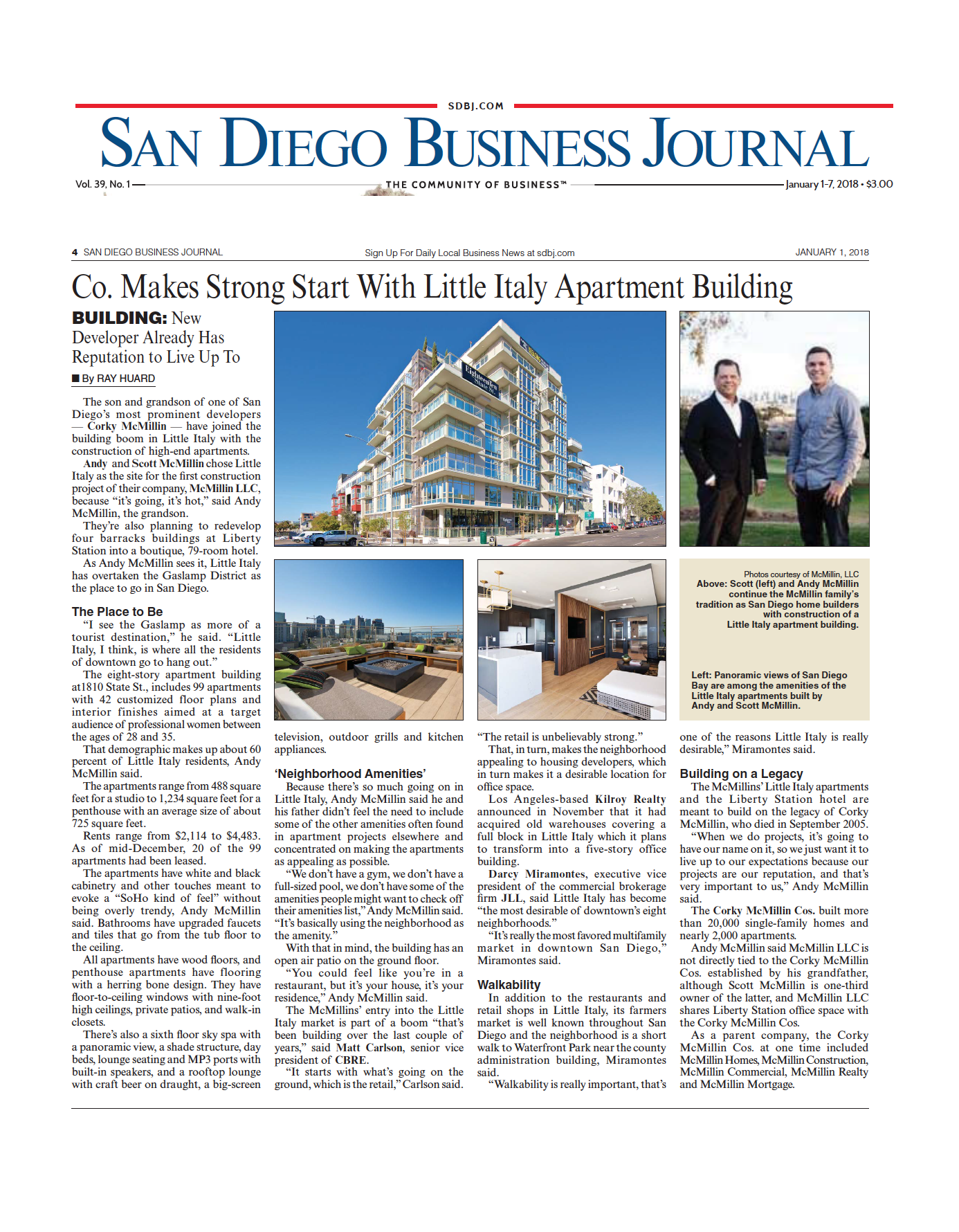

THE HOMES AT 1810 STATE
Welcome to life in the village
Little Italy is the cultural and culinary heart of San Diego. A vibrant, beautiful, stylish and walkable neighborhood. Cosmopolitan, yet entirely charming. Full of adventures, art, architecture, menus, cafes, markets, pints and friends. Life has a new address.
Now Open our newest project 1810 State St

Partly like it's 1810
NOW OPEN | 1810 STATE SPARKS A NEW ERA FOR STORIED SAN DIEGO DEVELOPERS, SCOTT MCMILLIN AND ANDY MCMILLIN, BUILDING UNRIVALED RESIDENTIAL AND HOSPITALITY EXPERIENCES IN SAN DIEGO
Eighteen Ten State Street Introduces New Luxury Urban Apartments to Downtown’s Little Italy Neighborhood
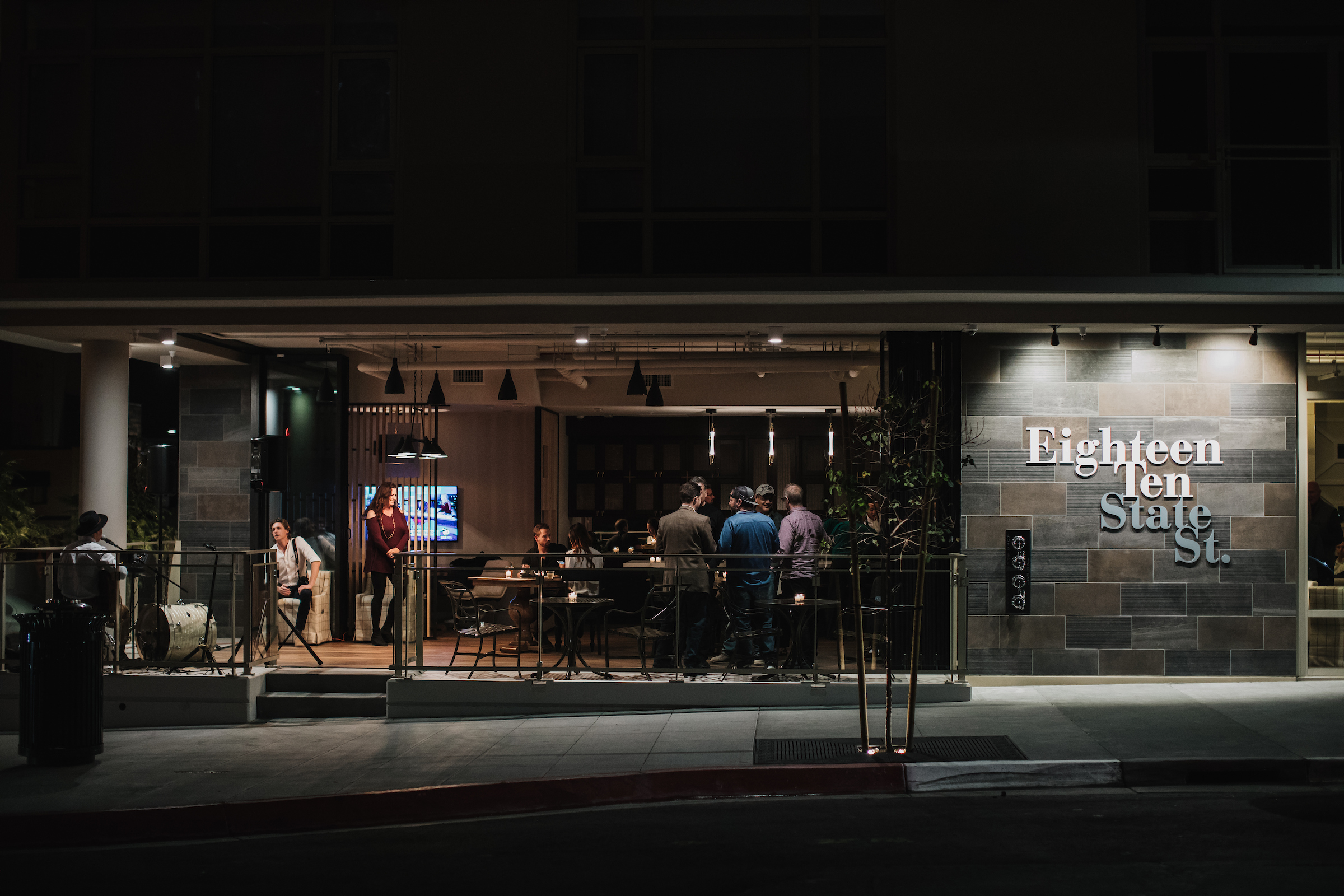
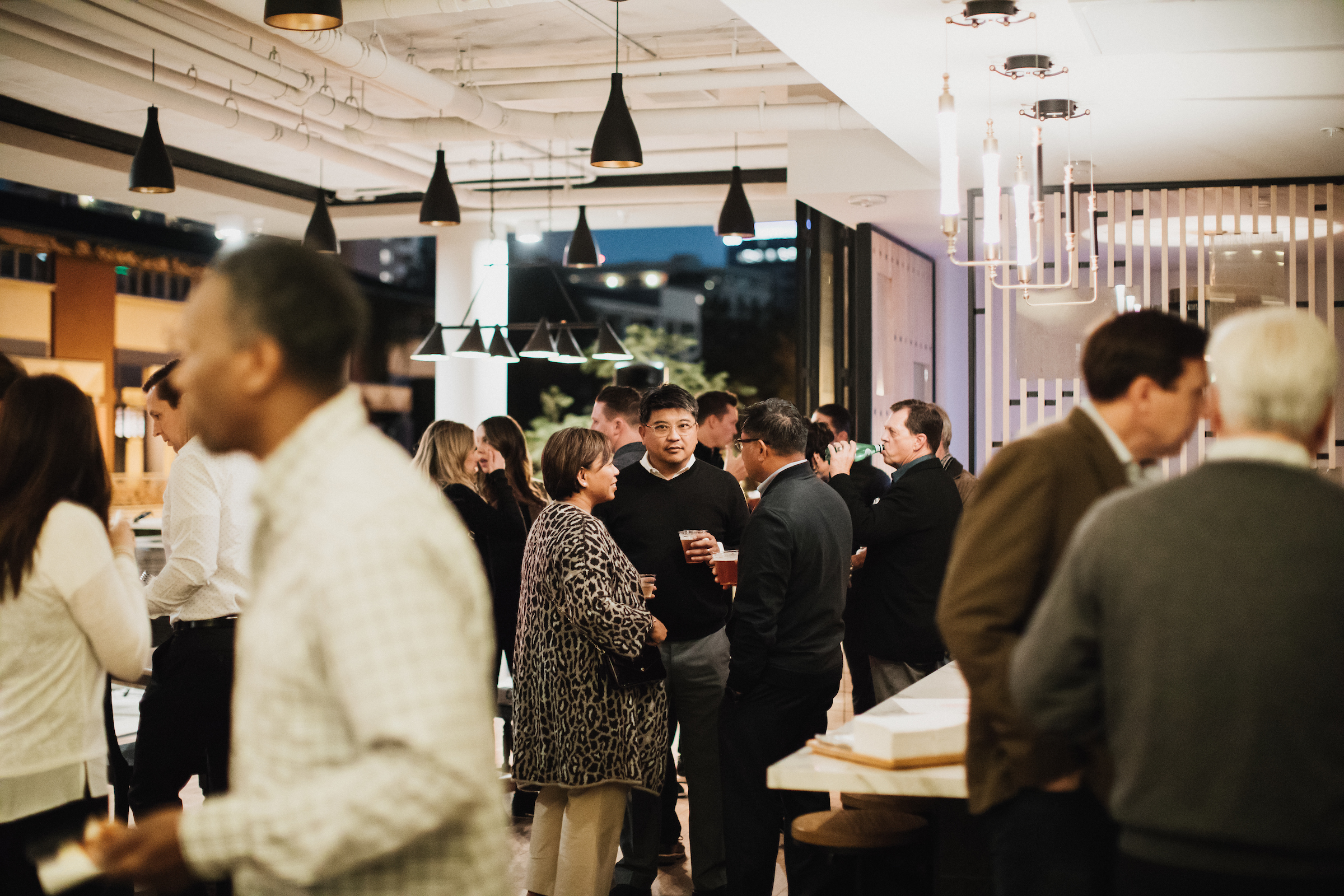
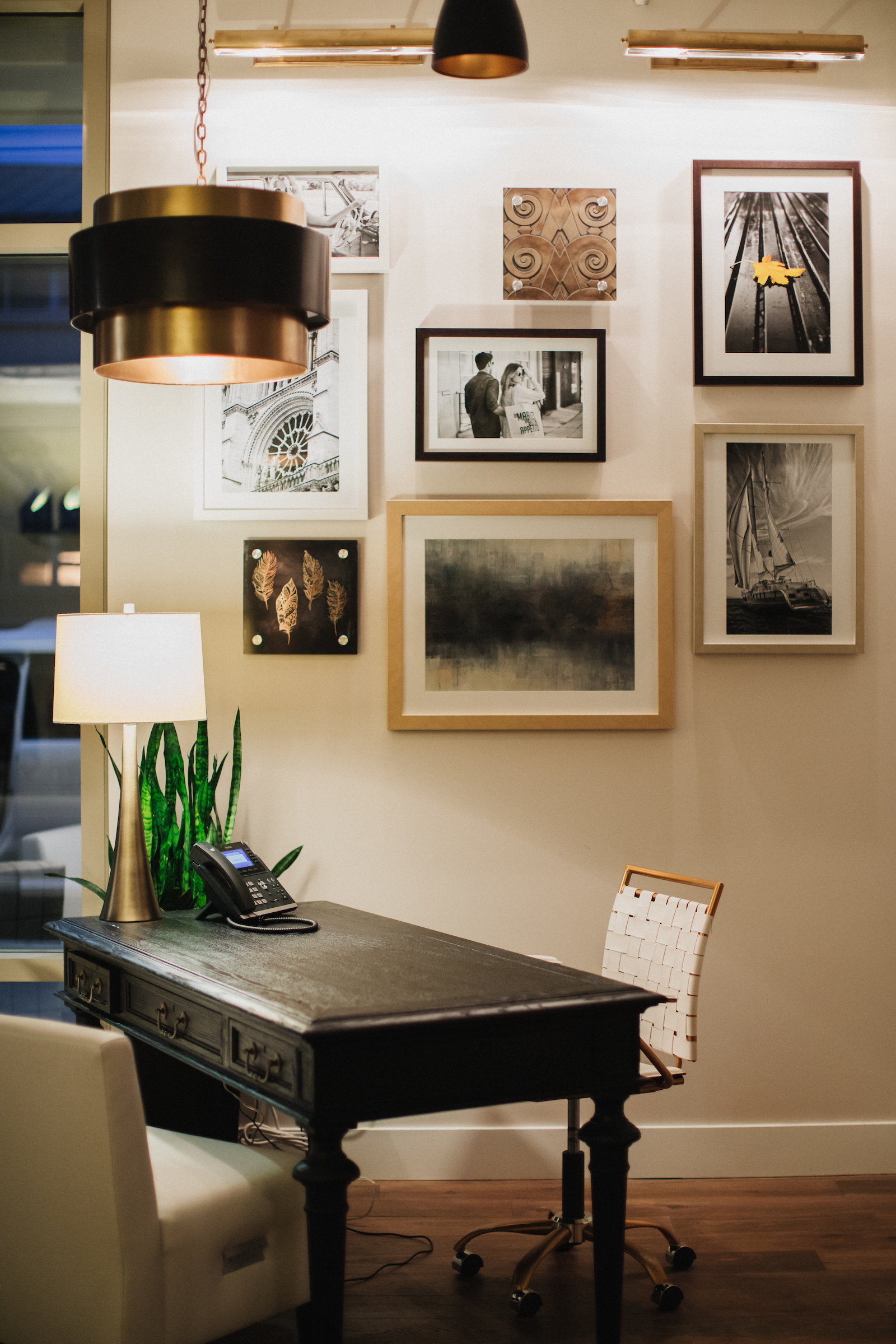
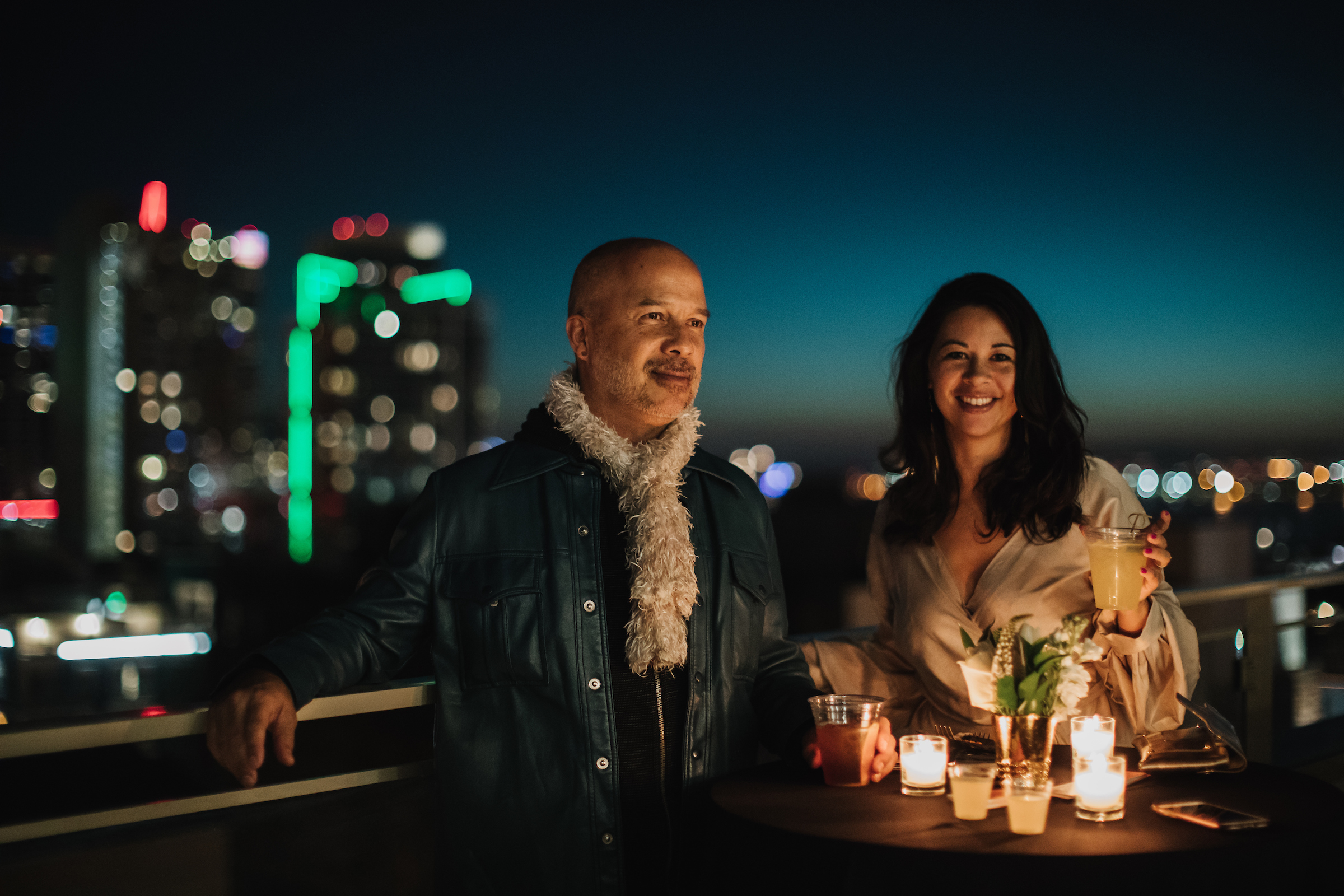


Scott McMillin and Andy McMillin, carry on the legacy of one of California’s most impactful real estate development families, The Corky McMillin Companies. What started as one man’s vision to help families live their dreams has evolved into 57 years of experience building more than 30,000 homes and 16 mixed-use master-planned communities. Now in 2017, under the new moniker of mcmillin LLC, the father and son duo usher in a rebirth of the company’s brand, vision and project motives all while upholding the reputation and quality of work that has been associated with The Corky McMillin Companies for decades past.
more info at 1810state.com

Orchids & Onions

Orchids & Onions is an interactive, community-based educational and fundraising program highlighting architectural projects in our community. Nominated by San Diego locals, Orchids are awarded to projects that exemplify outstanding architecture, planning and urban design.
Congrats to the whole team at Liberty Public Market for winning an Orchid in Historical Preservation.

A Perfect Day
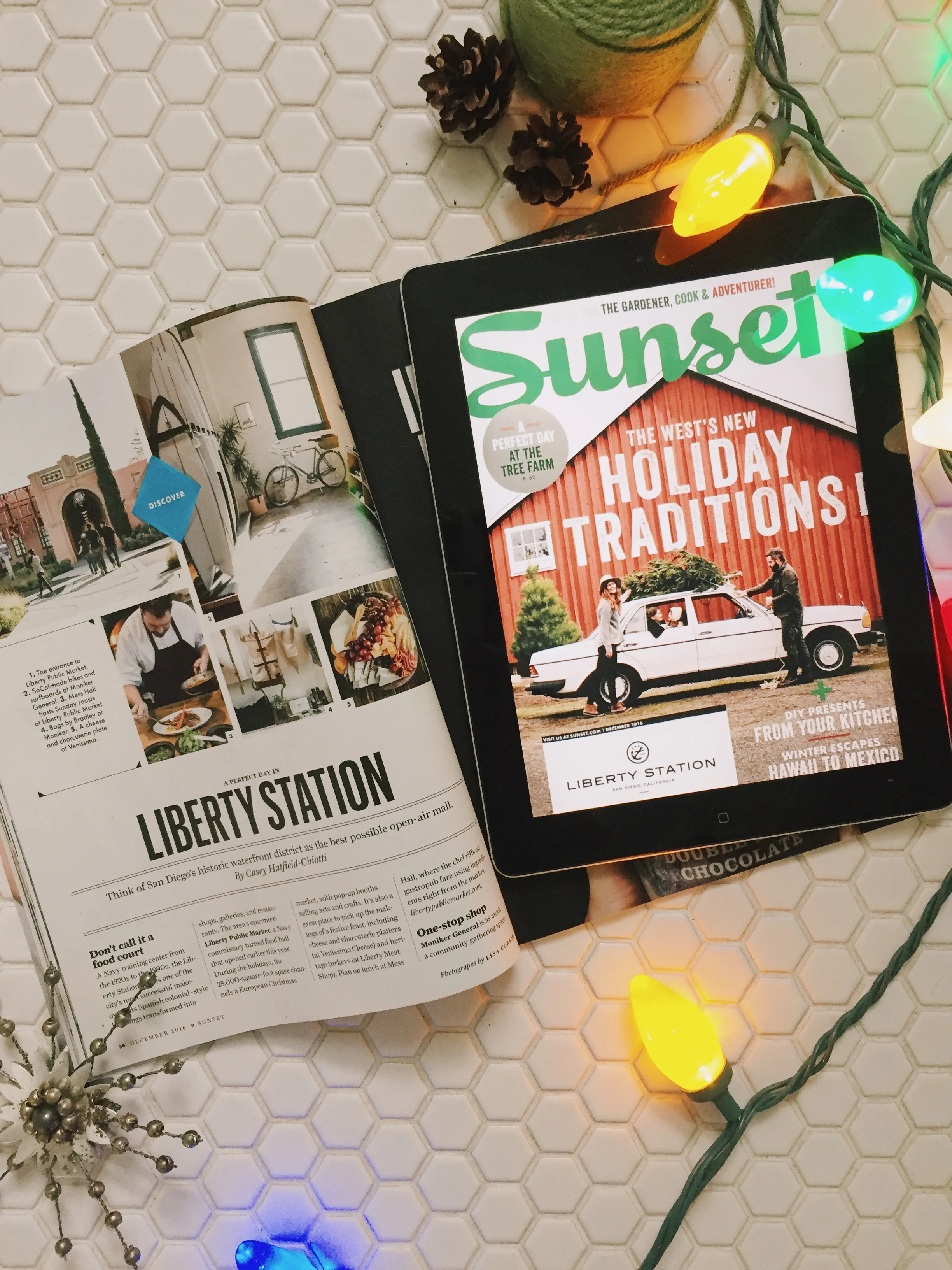
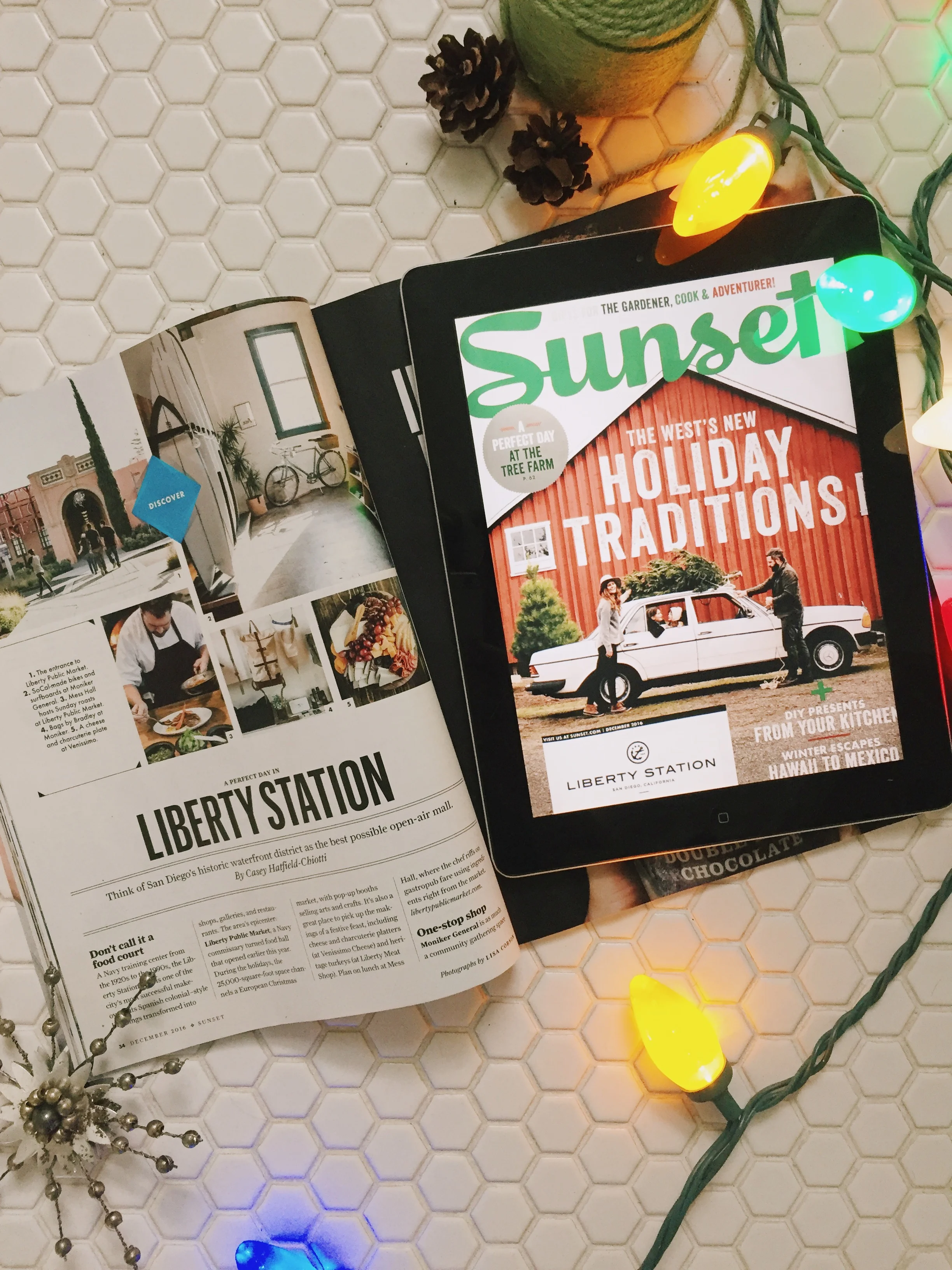
Every day is a perfect day in Liberty Station. Thank you Sunset Magazine for spreading the word.

A Trio of Hotels
A trio of hotels planned for Liberty Station
Posted: November 4th, 2016 | Art on the Land, Columnists, Featured | No Comments
By Delle Willett | Art on the Land
East Hotels at Liberty Station is a trio of new hotels going in along Harbor Drive on the former site of Navy recruit barracks, where most recently Wally Park operated. The three hotels will share a common entrance off of Harbor Drive.
This is the first Liberty Station development to be located on the east side of the boat channel that connects to the north San Diego Bay. The site looks across the channel to the shops, restaurants and hotels on the west side, and is adjacent to Spanish Landing Park along Harbor Drive.
The hotels planned include the 181-room Hampton Inn & Suites; the 247-room Embassy Suites; and 222-room Towne Place Suites, each serving different traveler needs, from short business stays to extended family vacations.

Hampton Inn & Suites will target the “Road Warrior” visitor. In an atmosphere that’s aviation inspired, visitors can get things done with speed and efficiency in aviator style.
Embassy Suites, with a military heritage theme, will target the smart and savvy traveler.
Towne Place is a Marriott-owned, extended-stay hotel for the DIY traveler. It will offer a home-away-from-home with a naval influence, a nautical aesthetic and NTC references.
“Travelers will be welcomed to enjoy the San Diego experience: coastal waters, cool ocean breezes, palm trees swaying in the wind, our world-famous perfect weather, and the crisp clean smell of saltwater, while discovering the plentiful amenities available to all in the area,” said Chris Langdon, landscape architect associate at KTU+A Landscape Architecture of San Diego.
As lead landscape architects on the project, KTU+A included Integration Design Studio (IDS) on their team to assist in the design portion of the project, bringing additional brand hotel experience to the team.
Featured at the main arrival court is a large-scale boat fountain, evocative of San Diego’s maritime culture. The sustainable-water feature utilizes safe air-conditioning condensate derived from hotel operations.
“We wanted to create a unique ‘wow factor’ upon guest arrival, from the streetscape along Harbor Drive, to the main arrival auto court,” said Kurt Carlson, a landscape architect principal at KTU+A.
KTU+A also worked with Integration Design Studios of San Diego and Degen & Degen Architecture and Interior Design of Seattle, Washington, to knit the three hotels into a common environment with the goal of creating a stunning San Diego experience for guests, and yet satisfy all the environmental, public-access and public-amenity goals of the California Coastal Commission. Connecting to public transit and other forms of mobility was also important.
The three firms collaborated to create seamless indoor/outdoor relationships; for example, guests in each hotel lobby are visually connected to the outdoors, where the landscaping is carefully orchestrated to maximize the guest’s experience of San Diego.
“With us being located in Seattle and both landscape architects KTU+A and Integration Design Studio in San Diego, we relied heavily on [web-based] meetings for the bulk of the coordination, but during the design concept we had multiple in-person charrettes at both locations to get everyone’s visions on paper,” said Chris Miller, project manager, architect and associate principal at Degen & Degen.
“We designed a landscape that provides the carefree, laid-back experience that visitors anticipate when visiting San Diego,” Carlson added. “Tying into the story of Liberty Station, the landscape uses materials, colors and themes expressing the nautical aspects of the area, as well as the U.S. Navy heritage.”
As always, projects have their challenges.
For example, the city requires a large amount of parking per hotel, therefore mitigating the impact of cars and creating a pedestrian-friendly site was a major challenge; but creating an identifiable, highly functional pedestrian circulation system was important to the scope of the project.
One solution is a foot bridge that will provide full access for pedestrians and bike riders to Liberty Station, and a multi-use path that will provide easy access to Spanish Landing Park and Harbor Island underneath Harbor Drive, without the need to get in a car.
“The main challenge of the project was getting the site to drain on the relatively flat site while collecting into strategically placed bio-retention basins throughout the 14 acres by the civil team of Rick Engineering,” Miller said.
A high water table is often a concern for construction, as it can result in groundwater seeping into the building foundations, causing property damage and potentially undermining structures. Usually sites with a high water table require underground pipes to keep the structure dry. Once the drainage system is installed, the site can be landscaped and the system isn’t visible.
Working with saline aspects of site soils, the KTU+A landscape team selected plantings that expressed the California coastal experience and were not only attractive but also salt-tolerant. The materials will need to withstand marine influences over a long period of time and withstand the salt water when the tide comes in and fills it up from below.
Plantings that provide shade and allow for recreation in a park-like setting were also specified.
As prime landscape architects, KTU+A has completed the construction drawings and are currently doing all the site observation of construction.
The Team:
Client: InterMountain Management, LLC and The McMillin Companies
Architect: Degen & Degen Architecture and Interior Design
Client project manager consultant: Martin “Dusty” Ucker, AIA
Landscape architects: KTU+A Landscape Architects and Integration Design Studio
—Delle Willett has been a marketing and public relations professional for over 30 years, with an emphasis on conservation of the environment. She can be reached at dellewillett@gmail.com.


Corky McMillin

Corky McMillin started his business in San Diego, CA in 1960 as a remodeling and custom-home builder. Over the next 50 years, Corky, with the help of sons Mark and Scott, grew the company into a fully integrated real estate company, including land development, home building and real estate services.
The Corky McMillin Companies’ commitment to improving communities and giving people the opportunity to live full and satisfying lives. Our heritage embodies 50+ years of working to build a strong, optimistic reputation- one of quality, family and community.
Macey L. “Corky” McMillin Jr.
When he was fourteen, Corky and his family moved from a small Missouri town to Chula Vista, California. Corky started a small construction company in Bonita, California in 1960, with his wife, Vonnie, who handled accounting duties. While McMillin was busy building houses, his passion was taking his family to the Imperial Sand Dunes on the weekends. As sons Mark and Scott got older, McMillin decided to try his hand at off-road racing.
His first venture into a competitive event came at the 1976 Baja 1000 with his son, Mark. Although the father-son team did not finish that first race, Corky kept after it and his first win came in the 1979 Baja 1000. McMillin went on to win many more races including the San Felipe 250, Baja 500, Baja 1000, Parker 400, and Fireworks 250, most of them multiple times. Over the years, McMillin won three SCORE Points Championships and on two occasions won overall titles at both the San Felipe 250 and the Baja 500.
As the McMillin Companies continued to prosper, Corky expanded into different markets, including Liberty Station, a 361-acre (1.46 km2) conversion project on the site of the former San Diego Naval Training Center. He eventually became one of the largest private developers in the country. The Corky McMillin Companies donated $1.5 million to enhance the real estate program at San Diego State University's College of Business Administration. In the Poway Unified School District, McMillin contributed to anti-drug programs through Partners in Education.
Corky McMillin died at the age of 76 less than two weeks after he had a heart attack while racing in his final desert race, the SCORE Las Vegas Primm 300. He has eight grand children. In 2000, because of his contributions to the community, an elementary school in Chula Vista was named after him. Vonnie McMillin died August 30, 2016, after an extended battle with Parkinsons disease.
While his sons continue to run the family business — The Corky McMillin Companies — his daughter, Laurie Ann, an interior designer who is also on the board of directors of the family's corporation, decorates the company's model homes.


